
Questioning Teen Driver Apps When You Hate Being Tracked
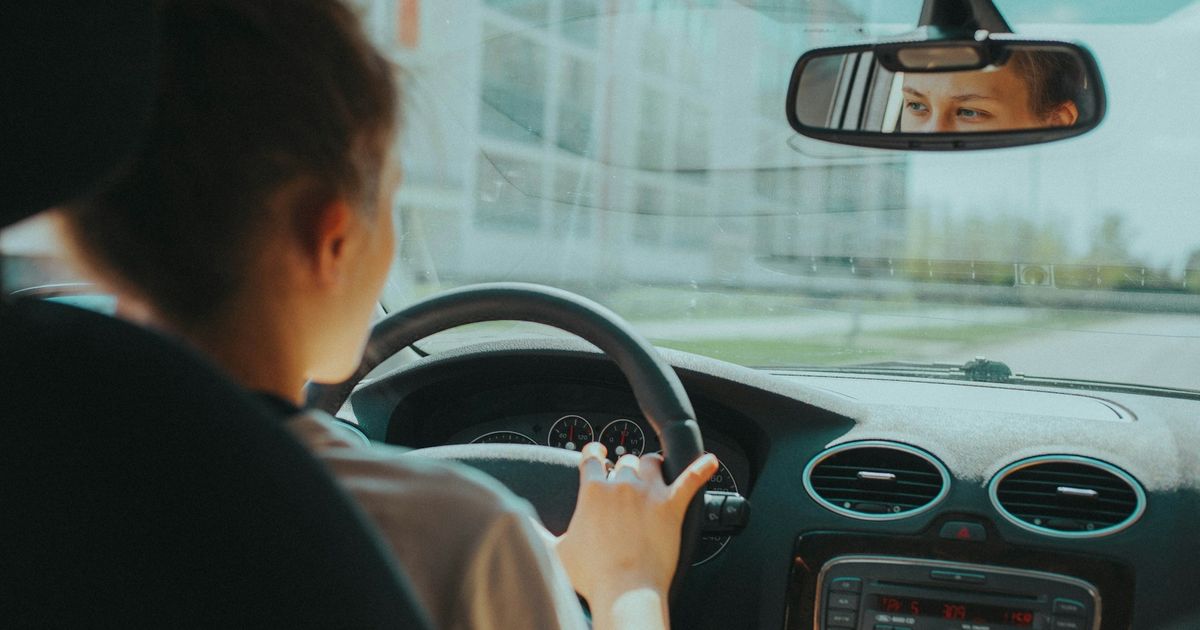
When You Want Them Safe But Hate Being Tracked
You want your teen to get home safe. You also want them to feel trusted, not watched every second they leave the driveway. That tension is real, and it gets louder the first time they pull away alone at night.
There is pressure from every side. Schools talk about teen crash risks. Other parents swap stories about their favorite teen driver app. Insurance hints that "monitoring" might help. Cars are full of screens and tracking features that seem built to keep tabs on young drivers.
But live maps and constant alerts can feel creepy. You see every stop, every turn, every late-night drive. It can feel less like caring and more like spying. Here, we are going to question how most teen driver apps work, sort out real safety help from tracking theater, and look at options that respect your teen’s privacy and your peace of mind.
What Typical Teen Driver Apps Actually Do
Most teen driver apps promise safety, but a lot of what they really offer is location tracking. The features sound helpful at first, until you look closer at what they collect.
Common features include things like:
- Real-time GPS location on a live map
- Full trip history, with routes and timestamps
- Speed alerts and hard braking alerts
- Geofencing, so you get a ping when they enter or leave an area
- Phone use detection while driving
That means the app is often storing a log of every drive: where it started, where it ended, when it happened, and how they drove along the way. Some apps even guess if there were passengers, based on patterns.
We also have to think about who touches that data. It might be:
- Parents or guardians with login access
- The app company and its support staff
- Advertising or analytics partners
- In some cases, insurance or school systems
On top of that, the tech is far from perfect. Phones run out of battery. GPS cuts out in bad weather or under bridges. Teens forget to open the app, or force-close it to save power. You get false alerts that your teen "sped" for one second going down a hill, and after a while, you start ignoring notifications altogether.
The Privacy Tradeoffs No One Explains
"Sharing location" sounds simple. It is not. Over time, that data can draw a very detailed picture of your teen’s life.
Location logs can reveal:
- Where they live and sleep most nights
- Which school they attend and what time they arrive
- Where they hang out after class or on weekends
- Where they work part-time
On top of that, patterns can hint at sensitive things. Regular trips at a certain time to a clinic, a religious site, a political event, or a support group. Stops near friends’ homes. Routes that line up with private activities they may not want to share with a parent, a company, or anyone else.
There is also data risk: dashboards get left open in a browser. Passwords are reused. Phones are shared or sold without logging out. Companies are not perfect at security. Once detailed driving logs exist, they can be copied, leaked, or seen by people who were never meant to have them.
And most apps are not very clear about data retention. How long do they keep trip-by-trip logs? Months? Years? Is it simple to fully delete an account and wipe that history, or is there always a backup somewhere? Those are hard questions to get straight answers on.
Does Tracking Even Make Your Teen Drive Better?
We also have to ask a basic question: does a teen driver app actually teach better driving, or does it just push risky behavior into the shadows?
When teens know they are watched, many drive extra careful for a while. That "watched driver" effect can help early on, but it often has side effects. Once they think no one is watching, they may swing the other way, speeding or taking risks because they feel like they "earned" it.
Teens are smart. They find workarounds:
- Leaving the phone at home on certain trips
- Turning off location tracking
- Using a second phone for music and maps
- Driving someone else’s car to avoid alerts
Now the problem is bigger than speed or late-night drives. Constant surveillance can weaken trust. It can encourage lying. It can make real conversations about mistakes much harder, because every talk starts from "I caught you" instead of "How can we fix this together?"
Smarter Feedback Without GPS Stalking
There is another way to think about teen driver safety. Instead of tracking where they go every minute, you can focus on how they drive when it actually affects others on the road.
One option is feedback that comes from the people who see their driving in real life. With QR-based plates or stickers, other drivers, riders, or even neighbors can quickly scan after an interaction and leave a rating or short comment.
That kind of system:
- Ignores live location and maps
- Does not log every street or stop sign
- Skips cameras, audio, and in-car hardware
- Stays focused on specific trips where something stood out
The shift is simple but powerful. You move from "every movement is tracked" to "key moments get reported." Over time, the feedback shows patterns like tailgating, harsh braking, or rude lane changes, without building a full surveillance record of your teen’s life.
It is also more privacy-friendly. There is no GPS stalking, no feed of late-night hangout spots, no long list of addresses. Just driving behavior, as other road users experience it.
Turning Feedback Into Real Driving Skills
Feedback by itself does not fix anything. The value comes from what you and your teen do with it.
A good approach is:
- Choose a calm time, not right after a scare
- Look at several comments together, not just one harsh one
- Group feedback into trends, like following distance or signaling
- Ask your teen what they notice before you give your opinion
Then, set small, clear goals. For example:
- This week, work on smoother stops at lights
- For the next few days, focus on early turn signals
- On night drives, keep a larger gap to the car ahead
You can tie this to short practice drives. Pick one skill for each session. Drive a familiar route, switch drivers, and let your teen talk about what feels different. Over time, you end up with real growth, not just a fear of getting caught.
When it comes to insurance talks, you can lean on patterns and reports about driving behavior, instead of trading away your teen’s constant location data.
Back-To-School Driving Without Losing Privacy
Late August brings a different kind of traffic. New drivers rushing to early classes, after-school jobs, and late practices. Darker mornings and evenings. More pressure on you and your teen.
This is a good moment to set a family driving agreement for the semester. Keep it simple and clear:
- Phone use rules while driving
- Limits on passengers, especially at night
- What happens after a close call or minor bump
- When they need to text or call you about plans changing
You can use a mixed approach. Maybe you use a teen driver app in a limited way for the first few months, then step back as your teen builds habits and you gain confidence. Pair that with QR-based feedback from other drivers and regular in-person check-ins.
It also helps to agree on how you will handle bad feedback. You might say, "If we see a pattern, we talk and practice. We do not yell, but we do not ignore it." Give your teen space to share their side of any incident, so they feel like a partner, not a suspect.
Choose Safety Tools That Respect Your Kid And You
In the end, driver-safety tools should help your teen learn and grow. They should not turn you into a secret police unit in your own driveway or log every move your teen makes around town.
Before you install any teen driver app, audit it. Ask what it tracks, who can see it, how long it is stored, and how it might be misused if someone got into the account. If the answers make your stomach twist, trust that feeling.
There are feedback-first options that focus on actual driving behavior and skip GPS tracking, cameras, and hardware. These tools use QR-based ratings and comments to help families, fleets, and driving schools see real patterns without constant surveillance. As the school year ramps up, it might be time to adjust how you coach your teen’s driving and bring your safety plan in line with the privacy line you are not willing to cross.
Help Your Teen Build Safer Driving Habits Today
Give your family extra peace of mind by trying our teen driver app and see how real-time feedback can support safer choices on the road. At Judge My Driving, we make it easier for parents and teens to work together using clear, understandable driving insights. Get started in just a few minutes and start tracking real progress with every trip. If you have questions or need help choosing the right plan, feel free to contact us.
Ready to make the roads safer?
Get your Judge My Driving sticker and join thousands of drivers committed to accountability.