
Spring Break Teen Driving: Monitoring Without Killing Trust
Spring Break Freedom Without Losing Your Mind
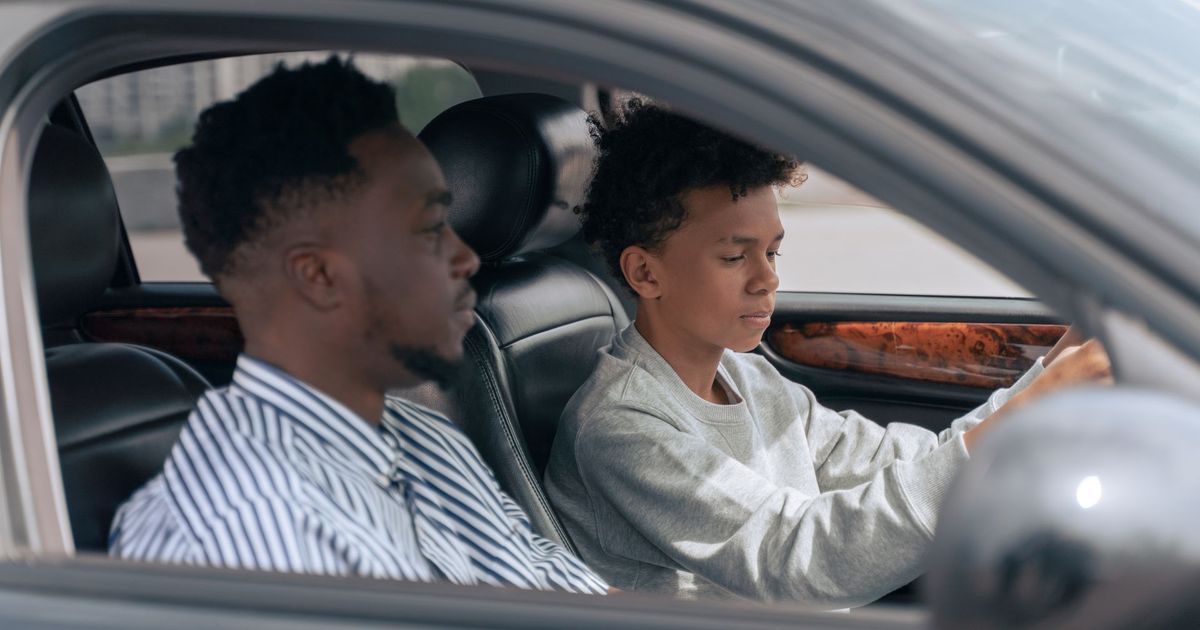
Spring break with a brand-new teen driver can feel like a test for everyone. Your kid finally has a license, their own plans, and access to a car. You have a tight knot in your stomach and a hundred worst-case scenes in your head. You want to hand over the keys, but you also want them to come home safe and in one piece.
This is where teen driver monitoring comes in, and where it often goes wrong. You do not want to spy on your kid or track every turn on a map. You just want some honest insight into how they are really driving when you are not in the passenger seat. Our goal here is simple: help you know what makes spring break driving risky, what tools actually help, and how to talk about monitoring without blowing up trust at home.
What Actually Makes Spring Break Driving Risky
Spring break driving is not like a normal school week. Schedules fall apart. Sleep gets messy. Kids are out later, driving on unfamiliar roads, maybe heading to beaches, concerts, and crowded hangouts. Traffic gets heavy, especially around popular spots, and people are in a hurry.
Real risk usually shows up in a few common ways:
- Fatigue from late nights and back-to-back plans
- Peer pressure in the car, like showing off or speeding to impress friends
- Distraction from phones, loud music, and navigation apps
- Other drivers on the road who may be impaired or aggressive
Parents often focus hard on a few things, like no drinking and driving and a strict curfew. Those rules matter, but they are not the whole picture. It is easy to forget simple, high-impact limits such as:
- How many friends can be in the car
- Whether they drive long solo stretches late at night
- How they handle bad weather or heavy highway traffic
You cannot ride shotgun all week. You need a way to get a sense of how they drive in real life, with friends, at night, and in busy areas. That is where smarter teen driver monitoring comes in, the kind that looks at behavior, not only location.
Why Traditional Teen Driver Monitoring Feels Like Spying
Most common teen driver monitoring tools focus on tracking. That can mean:
- GPS trackers that log every trip, stop, and route
- Phone apps that score driving based on speed, braking, and cornering
- Dash cams that record the road
- In-car cameras that record inside the cabin
These can give a lot of data, but they also feel heavy. When a teen finds out every turn, stop, and address is logged, it can feel like being policed, not trusted. That often leads to:
- Sneaky workarounds, like turning off location or switching phones
- More arguments about spying than about actual driving habits
- Kids focusing on “not getting caught” instead of driving better
There are privacy worries too. GPS and some driving apps store detailed location history. That can include trips to friends’ houses, part-time jobs, and other private places. Cameras can record audio and video inside the car, which may feel like a rolling surveillance pod.
Accuracy is another headache. Phone sensors and GPS sometimes misread quick but safe moves as “hard braking” or “aggressive turns.” You get a flood of alerts. After a while, you stop caring about every ping, and your teen stops taking the feedback seriously.
So you sit in the middle. You want honest feedback during a risky week like spring break, but you do not want another tracking device watching your teen’s every move. It helps to think about teen driver monitoring in a different way, one that feels more human.
Using Other Drivers as Live Teen Driving Sensors
Every driver around your teen is already watching how that car moves. People notice speeding, tailgating, rolling stops, unsafe lane changes, and also the good stuff like using turn signals and letting others merge. The idea is to turn those reactions into simple, private feedback.
That is where QR-coded bumper stickers come in. Here is how they work in plain terms:
- You put a small sticker with a QR code on the car
- If another driver sees something, they can scan it with their phone
- They quickly rate the driving and can leave a short comment
The key is what this is not. There is:
- No GPS tracking of where the car goes
- No video of your teen’s face
- No audio recording inside the cabin
- Just feedback about how the car is being driven, in real time
Now think about spring break. There are group trips to the beach, highway caravans with friends, and late-night drives home from the movies or from hanging out. If your teen is weaving through traffic or riding someone’s bumper, the person behind them can speak up. If your teen is calm, patient, and safe, you see that too.
You will not get feedback on every single trip. The goal is not a perfect log of every mile. What you want are patterns over time, especially during higher-risk weeks, so you know when to step in and when to relax.
Talking About Monitoring Without Starting a War
How you introduce any teen driver monitoring matters as much as what you choose. Start with honesty. Tell your teen what you are doing and why. Something like, “I want you to have freedom this spring break. I also want an early warning if your driving starts getting risky.”
Explain the trade clearly:
- You are choosing a low-invasion tool instead of GPS or in-car cameras
- You care about how they drive, not where they go or who they see
- In return, you expect safe driving and respect for other people on the road
You can use simple scripts, adjusted to your own voice:
- Before break: “We are putting this QR sticker on the car. If people notice your driving, good or bad, other drivers can rate it. I will be checking it, but not stalking you on a map.”
- On consequences: “If we get a couple of serious bad reports in one week, we pause your solo driving until we talk and practice.”
- On rewards: “If feedback stays clean or positive, you get more freedom, like later curfew for low-risk drives.”
Expect pushback. You might hear, “People will troll me.” Your answer can be, “We will look for patterns, not one random angry comment.” Or, “So you do not trust me.” A fair answer is, “I trust you. I do not always trust other drivers, late nights, and group pressure. This is backup, not a verdict on you as a person.”
That keeps the focus on safety, not spying. You get behavior data without scrolling through a creepy history of everywhere they went all week.
Making Feedback Actually Change How Your Teen Drives
Feedback is only useful if you use it well. During spring break, try a simple rhythm:
- Check feedback once a day, not every few minutes
- Look for repeated themes like speeding, tailgating, or phone use
- Notice positive patterns like smooth driving or polite lane changes
When you do see bad feedback, stay calm. Talk about the behavior, not their whole character. For example, “We got two notes about you following too close on the highway. What was going on?” Then stop and listen. There may be details you did not know, like a friend pressuring them to keep up with another car.
Before spring break starts, set clear expectations together:
- What counts as a serious negative report
- What happens after two or three serious reports in a week
- What rewards they earn for a clean or positive week of feedback
Do not skip the positives. If someone writes that your teen let them merge in heavy traffic or stayed calm in a mess of honking cars, share it. Teens respond well to hearing, “You handled that right,” not only, “You messed up.”
Make it clear this is a short-term tool for higher-risk times, like early license months and busy breaks. As they show steady, safe habits, you can step the monitoring down. That sends a clear message: safe driving earns real trust.
Protect Your Teen Driver With Proven Monitoring Tools
As parents ourselves, we know how stressful it can feel every time your teen gets behind the wheel. With our teen driver monitoring solutions, you get the insight you need to coach better habits and keep them safer on the road. Judge My Driving gives you clear, actionable feedback instead of vague alerts or confusing reports. Have questions about how it works for your family? Just contact us and we will walk you through the next steps.
Ready to make the roads safer?
Get your Judge My Driving sticker and join thousands of drivers committed to accountability.