
Fleet Camera Programs That Build Trust: Scope, Retention, Access, Transparency
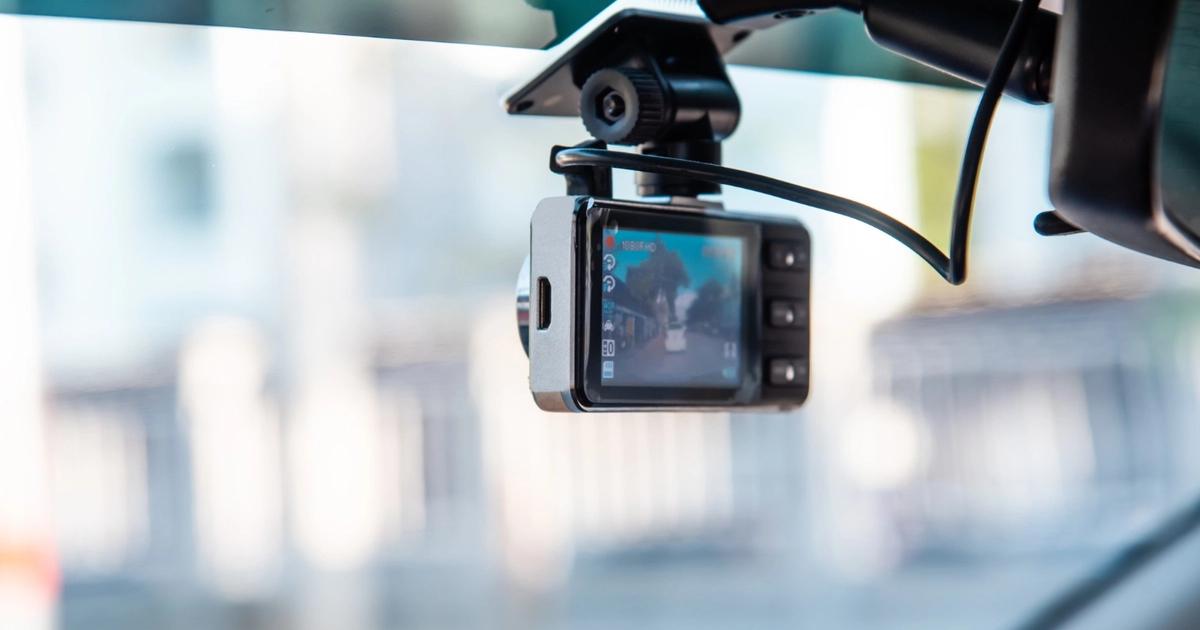
Cameras That Help Safety Without Killing Driver Trust
You want safer drivers, fewer claims, and less chaos when a crash happens. You also do not want a camera program that feels like a spy tool, scares good drivers away, or blows up into a privacy mess. That tension is real, especially as delivery volume climbs in fall and the holiday rush piles on pressure.
Insurers, lawyers, and big customers now expect some kind of fleet driver monitoring. At the same time, drivers can switch jobs fast if they feel watched every second. The good news is you can run cameras in a way that helps in court, targets real risk, and still respects the people behind the wheel.
The key is limits. Clear rules on when you record, how long you keep footage, who can see it, and how drivers can see what is happening. We will walk through event-only vs continuous video, smart retention rules, tight access controls, and a driver-facing transparency dashboard that keeps trust and safety pointing in the same direction.
Event-Only vs. Continuous Video Drivers Can Live With
Most fleets today pick between two basic models for cameras: event-only or continuous.
Event-only recording means the camera saves short clips when a trigger fires. For example, when there is:
- Hard brake
- Sharp turn
- Collision or near-collision
- Strong acceleration or impact
The rest of the time, the camera either does not save video at all or it overwrites in a tiny loop that never leaves the device.
Continuous recording means the camera is rolling whenever the vehicle is on. The system might only upload certain segments by default, but someone with access can usually pull longer stretches if they want.
Each model has tradeoffs.
Event-only:
- Cuts storage and IT headaches
- Focuses managers on real risk events, not every mile
- Feels less creepy to drivers, since it is not a 24/7 eye
- Can miss context from minutes before or after an event
Continuous:
- Gives rich context for complex crashes and fraud claims
- Shows patterns, like steady tailgating during long highway runs
- Creates massive data volume that someone has to manage
- Opens the door to overuse and "let's go fishing" reviews
As workloads spike in late fall and into the holidays, route density, tight ETAs, and stress all go up. Some fleets respond by flipping everything to full-time continuous video. That might feel safer, but it is also the fastest way to trigger driver backlash.
A better approach is a "default event-only, narrow continuous" policy. That means:
- Event-only for normal daily operation
- Continuous only in tightly defined cases, like a known crash hotspot, secure-yard movements, or a short-term safety campaign
- Written rules on who can approve continuous mode, for how long, and how drivers are told
If you want drivers to trust the system, they should never be surprised later that continuous recording was on.
Retention Rules That Help in Court Without Haunting You
Once you record video, the next big risk is how long you keep it. Every extra day of stored footage adds legal exposure, IT overhead, and privacy risk. Plaintiffs can ask for old clips that have little to do with a current claim but can still be used against you or your drivers.
Short, clear retention rules help you:
- Support fair fleet driver monitoring
- Keep enough video to defend the fleet in real cases
- Drop the chance that old footage gets used out of context
One practical way is to split retention by category:
- Crash or serious incident clips: keep for several years, aligned with your claims and legal timelines
- Safety events and near misses: keep 12 to 24 months for coaching and trend tracking, then auto-delete
- Non-event continuous video (if you use it): keep 24 to 72 hours in a rolling loop, then overwrite unless flagged
- Manually pulled clips for investigations: put strict time-limited holds in place with a documented reason code
The "auto" part matters. Build hard auto-delete into the system. Do not rely on someone remembering to clear folders. No side downloads to USB, no shadow archives on a random PC.
Keep a simple retention policy sheet in plain language that you can show drivers, unions, and key customers. During high-incident windows like late fall and early winter, it is tempting to extend retention "just in case." If you really need a temporary extension, document it, communicate it, and set an end date so the change does not quietly become permanent.
Access Controls That Stop Quiet Surveillance From Spreading
How you control access often matters more than which camera model you choose. Drivers can live with cameras if they trust that random people are not watching them for fun or gossip.
The fastest way to wreck that trust is loose access. Things like:
- Managers pulling video to nitpick petty issues
- Staff sharing "funny clips" in group chats
- Curious clicks into old video "just to see" what someone did
Access control is not just an IT checkbox. It is a core piece of honest monitoring.
Build a tight model from day one:
- Role-based access: safety leaders see safety clips, HR only sees footage tied to active cases, operations sees high-level trends without pulling faces and audio on demand
- Required justification for on-demand pulls, even if it is just a simple drop-down like "collision investigation" or "customer complaint"
- Access logs for every clip view, download, and share
You can then add guardrails that calm driver fears:
- No live "spy mode" unless you publish clear rules, such as during active emergencies or missing-vehicle situations
- A hard ban on using video for petty performance nitpicks or social media posts, written into policy and enforced
- Regular audits with driver reps or safety committees so they can see how footage is used in real life
When drivers know there is a trail on every click, they feel less like the cameras are a one-way mirror.
Driver-Facing Dashboards That Make Monitoring Less Creepy
One-way monitoring is where a lot of camera programs fail. When drivers never see what the system records or how it is used, they usually assume the worst. That is when cameras get covered with hats, tape, or mystery "malfunctions."
A simple driver-facing dashboard can flip the script. It turns monitoring into a feedback loop instead of a black box. A good transparency dashboard should show:
- Recent events that triggered recording, with short clips and clear labels like "hard brake," "following distance," or "seatbelt not detected"
- Who viewed each clip and why, for example "Viewed by the safety manager for crash review"
- Score trends over time, not a single grade that feels like a permanent label
Use it for fair coaching, not constant grading. Drivers should be able to:
- Flag clips they think are wrong or missing context
- See which flags were reviewed and how many were overturned
- Walk into coaching talks knowing you are looking at their actual clips, not random training videos
As seasonal pressure increases, show the fleet aggregate stats too. Fewer harsh brakes per thousand miles. Fewer public complaints. Better on-time performance with fewer incidents. When drivers see that monitoring leads to fewer headaches, not only more pressure, they are more likely to stay bought in.
Turn Your Camera Policy Into a Trust Contract
When you put all of this together, you get a clear playbook:
- Recording rules that match real risk, with default event-only and narrow, justified continuous use
- Sharp retention limits with real auto-deletion, even when incidents spike
- Locked-down access, with logs and reason codes that stop casual "let's see what happened yesterday" requests
- A driver-facing view that shows how footage and other feedback get used in practice
Fleets get the best results when they treat camera policy as a trust contract, not a fine-print form. Pilot settings with a small group of drivers, including skeptics. Listen, adjust, then roll out to the wider fleet with clear written rules and open Q&A.
Tie cameras into a larger feedback picture that also includes public road feedback, customer comments, and peer coaching. That way, cameras become one honest tool among many, not a spotlight that makes every trip feel like a surveillance shift.
Improve Safety And Efficiency Across Your Entire Fleet
If you are ready to cut incident rates, protect your drivers, and gain real visibility into daily operations, our fleet driver monitoring solution can help you move quickly. At Judge My Driving, we work with you to identify risks, set clear safety benchmarks, and turn data into practical coaching for your team. Reach out to contact us so we can walk you through options tailored to your fleet size, goals, and timelines.
Ready to make the roads safer?
Get your Judge My Driving sticker and join thousands of drivers committed to accountability.